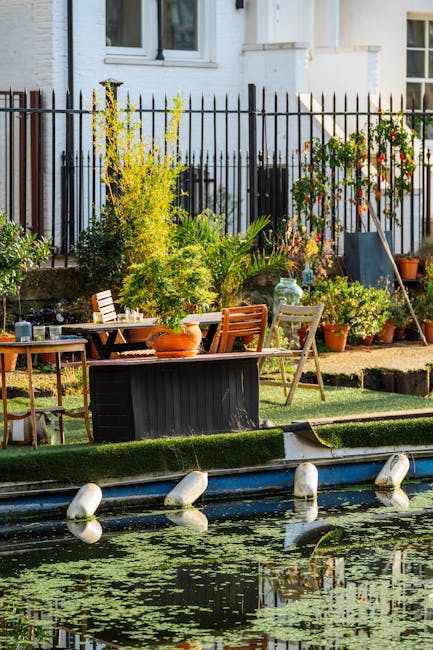
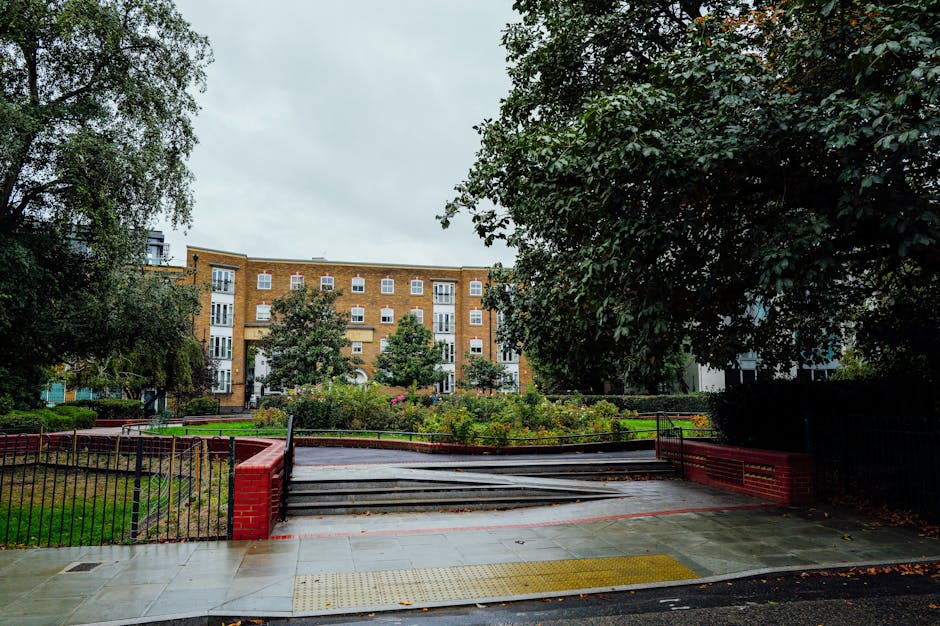
Rotherhithe Garden Care Tips for Riverside Flats
If you live in a riverside flat in Rotherhithe, you already know the garden is a little different from a standard London courtyard or balcony. The breeze is stronger, the light can shift quickly, and moisture can linger in awkward corners after rain. That means Rotherhithe garden care tips for riverside flats need to be practical, not generic. The good news? With the right plant choices, a sensible maintenance rhythm, and a few small adjustments, even a compact outdoor space can feel calm, tidy, and properly looked after.
This guide covers how riverside conditions affect planting and maintenance, what to do across the year, common mistakes to avoid, and when it makes sense to call in help. If you want your flat's outdoor space to look good without becoming a weekend burden, you're in the right place.
Table of Contents
- Why Rotherhithe garden care tips for riverside flats Matters
- How Rotherhithe garden care tips for riverside flats Works
- Key Benefits and Practical Advantages
- Who This Is For and When It Makes Sense
- Step-by-Step Guidance
- Expert Tips for Better Results
- Common Mistakes to Avoid
- Tools, Resources and Recommendations
- Law, Compliance, Standards, or Best Practice
- Options, Methods, or Comparison Table
- Case Study or Real-World Example
- Practical Checklist
- Conclusion
- Frequently Asked Questions
Why Rotherhithe Garden Care Tips for Riverside Flats Matters
Riverside flats in Rotherhithe sit in a very specific microclimate. The river can make the air feel cooler, damper, and more exposed than you'd expect just a few streets inland. Plants that would cope fine in a sheltered courtyard may look sulky here. Pots dry out fast in a gust, then stay waterlogged after a heavy shower. Annoying? Absolutely. Manageable? Also yes.
Garden care in this setting matters for three simple reasons. First, your outdoor space often contributes directly to how the flat feels day to day. A tidy balcony, terrace, or small communal planting area can make the whole home feel more spacious. Second, neglect shows quickly in riverside conditions; dead leaves, algae, wind scorch, and broken stems don't hide for long. Third, if you rent or sell, a cared-for outdoor area creates a stronger impression than one that looks a bit abandoned and windswept.
There's also the practical side. Containers near water need steadier maintenance because drainage, shelter, and plant choice matter more than usual. One windy weekend can undo a month of "I'll get to it later." Let's face it, gardens rarely complain politely.
How Rotherhithe Garden Care Tips for Riverside Flats Works
Good riverside flat gardening is less about doing everything and more about doing the right few things consistently. The approach is built around the conditions you actually have: wind, limited space, reflected light from glass and water, shade from surrounding buildings, and often restricted access for larger tools or materials.
In practice, it works like this:
- Choose plants suited to exposure rather than forcing delicate varieties into a difficult spot.
- Use containers and planters strategically to manage drainage and move plants if conditions change.
- Create routine checks for watering, pruning, feeding, and pest spotting.
- Protect soft growth from wind and salt-like residue carried through open air near the river.
- Keep access and safety in mind, especially on balconies and upper terraces.
Think of it as a small maintenance system rather than a one-off tidy-up. A healthy terrace in Rotherhithe usually relies on rhythm. A little attention every week tends to beat a big rescue mission every two months. To be fair, that's true of most London gardens.
For larger shared spaces, it can also help to review the wider garden and hedge care services overview so you understand what kind of support is available and what level of maintenance might suit the building.
Key Benefits and Practical Advantages
Riverside flats can feel tricky to maintain, but the benefits of good garden care are worth it. You get more than a prettier view from the sofa.
- Better resilience: plants chosen and maintained for exposure are less likely to collapse after a windy spell.
- Cleaner appearance: regular care prevents the slow drift into untidy pots, mushy leaves, and patchy soil.
- Improved use of space: a small terrace can serve as a dining nook, reading space, or calm corner if it's well managed.
- Lower replacement costs: the right watering and pruning habits save money over time.
- Safer outdoor areas: less clutter, better drainage, and stable planters reduce trip and slip hazards.
- Better year-round enjoyment: even in January, a neat structure of pots, evergreen planting, and clean surfaces can feel inviting.
Expert summary: In riverside flats, success usually comes from restraint. A few robust plants, well-placed pots, and steady upkeep often outperform a crowded display that looks impressive for two weeks and then struggles.
If you're comparing whether to manage it yourself or bring in support, the decision usually comes down to time, access, and how exposed the space is. A sheltered balcony may only need light upkeep. A broad terrace facing the river, though? That can be a different story.
Who This Is For and When It Makes Sense
This guidance is especially useful if you live in a riverside apartment, manage a leasehold flat with outdoor space, or care for a shared planting area in a block near the water. It's also helpful for landlords and property managers who want a tidy exterior without recurring issues from poor plant choice or irregular maintenance.
It makes sense when:
- your balcony or terrace gets hit by strong wind at odd angles;
- you have shallow containers that dry out quickly;
- you're tired of plants that look healthy one month and battered the next;
- you want low-fuss greenery rather than a high-maintenance display;
- you need to keep shared outdoor space neat for residents or guests;
- you'd rather prevent problems than deal with an overgrown mess later.
It may be less relevant if you have a completely enclosed winter garden or a very sheltered courtyard with plenty of automatic irrigation. Even then, though, a sensible maintenance routine still pays off. A terrace can look calm and effortless, but only because someone has been quietly keeping on top of it. That "someone" is the whole point.
Step-by-Step Guidance
Here is a practical way to manage garden care for a riverside flat without making it your full-time hobby.
1. Assess the exposure properly
Stand outside at different times of day. Morning, midday, and later in the evening can feel surprisingly different near the river. Notice where the wind funnels, where water collects, and which corners stay shaded. This matters more than plant labels, honestly.
2. Start with containers that drain well
Use planters with drainage holes and raise them slightly if possible. Flat-bottomed pots sitting directly on the floor often trap water and stain paving. If the terrace surface is sensitive, add saucers only where they make sense, and empty them after rain. That small, slightly boring step prevents a lot of root trouble.
3. Choose sturdy planting combinations
Mix evergreen structure with seasonal colour. In exposed riverside conditions, a handful of reliable plants usually work better than trying to keep many delicate varieties alive. Plants with resilient foliage, flexible stems, or naturally compact growth habits tend to cope better. If you want anything tall, check whether it can be staked or sheltered without becoming awkward in the wind.
4. Water with the weather, not the calendar
Some days the pots will need a proper soak. Other days they won't. The trick is checking the top layer of compost and the weight of the pot. If it feels light and dry, water deeply. If it still feels damp, leave it. Overwatering is a very common mistake in riverside flats because people assume cool air means wet soil. Not always.
5. Prune lightly and often
In a windy place, soft growth can get ragged quickly. Remove dead stems, pinch back straggly shoots, and tidy spent flowers before they turn to mush. Small prunes keep plants compact and reduce breakage. You do not need to wait for the perfect "garden day." A ten-minute tidy now and then often does more than a heroic weekend session.
6. Check for debris and algae
Leaves, petals, and damp debris build up fast on terraces. Clear them off so surfaces remain safe and containers do not become clogged. On shaded riverside corners, algae can make paving slippery. A quick brush and wash-down, done regularly, is far easier than trying to fix months of build-up in one go.
7. Feed lightly, not heavily
Container plants need nutrients because rain leaches compost faster than in ground soil. A modest feeding plan during the growing season usually works better than overdoing it. Too much feed can push weak, leggy growth that gets shredded by wind. A balanced approach tends to be kinder and more effective.
8. Review and adjust each season
What works in spring may fail in winter. At the start of each season, check whether plants need moving, cutting back, replacing, or protecting. Think of the space as a living setup rather than a fixed design. That mindset helps a lot.
Expert Tips for Better Results
Here are the details that often separate a decent riverside flat garden from one that genuinely feels looked after.
- Use weight wisely: heavier pots stay steadier in wind, but don't overload balconies beyond what the structure is designed to handle. If you're unsure, get proper advice rather than guessing.
- Group plants by water need: this avoids the awkward situation where one planter dries out while another stays soggy.
- Create wind protection that still breathes: open screens, trellis, or strategic placement often work better than solid barriers that can become a sail.
- Prioritise texture: grasses, evergreen shrubs, and hardy perennials add year-round interest even when flowers are sparse.
- Keep one eye on access: if you cannot easily reach the far corner, choose plants there that demand less frequent fiddling.
A useful local habit: before a stormy spell, spend two minutes checking for loose canes, wobbling pots, and items that could blow across the terrace. It sounds almost too simple, but it saves a lot of stress. And yes, the wind always seems to arrive the day after you ignore it.
If your outdoor area is part of a shared block, a conversation with the managing agent or building team can be worth having. It helps to know who is responsible for what, especially if you need coordinated upkeep or disposal support. You can also review the company's recycling and sustainability approach if you're planning regular green waste handling or want to reduce waste from seasonal work.
Common Mistakes to Avoid
Most garden problems in riverside flats come from a few predictable habits. The good news is that they're fixable.
- Choosing plants for looks only: a plant that thrives in a sheltered patio may struggle badly near the river.
- Using too many small pots: tiny containers dry out quickly and are blown around more easily.
- Ignoring drainage: standing water suffocates roots and can damage surfaces.
- Overwatering out of kindness: yes, people do this all the time. Plants don't always appreciate the extra love.
- Letting clipped material sit around: damp cuttings and fallen leaves become messy fast.
- Forgetting seasonal change: what looked fine in late summer may be shabby by November.
- Blocking walkways with planters: it reduces usable space and can create a safety issue.
One of the trickiest mistakes is assuming that a balcony is so small it hardly needs a plan. In reality, small spaces show disorder faster. A single broken pot or a patch of wind-damaged foliage can make the whole area feel untidy.
Tools, Resources and Recommendations
You don't need a shed full of gear to manage a riverside flat garden well. Keep it simple.
- Hand pruners or secateurs: for light trimming and deadheading.
- Watering can with a controlled spout: easier to direct water into pots without waste.
- Gloves: useful for rough stems, compost, and general clean-up.
- Small brush and dustpan: surprisingly handy for terraces and balcony floors.
- Stakes or ties: for supportive training of taller plants where appropriate.
- Compost and slow-release feed: helpful for containers that need regular replenishment.
For larger or more awkward jobs, professional help can make life easier, especially where access is limited or waste needs careful handling. If you want a clearer idea of service scope, the full services overview is a useful place to start. If you're trying to understand pricing or plan a one-off visit, the pricing and quotes page can help you think through the next step without any guesswork.
And if the practical side matters as much as the plant side, it's sensible to look at insurance and safety information before arranging work in shared or elevated areas. That's just good judgment, really.
Law, Compliance, Standards, or Best Practice
For riverside flats, the main compliance concerns are usually safety, access, responsibility, and building management rather than anything highly specialised. If you live in a leasehold property or shared development, you may need to check what the building rules allow before making changes to planters, railings, screens, or heavy containers. It's wise to avoid assumptions here.
Best practice typically includes:
- keeping walkways clear and not creating trip hazards;
- making sure pots and structures are stable in strong winds;
- avoiding water runoff that stains or damages shared surfaces;
- disposing of waste responsibly;
- using safe access methods for higher or awkward areas;
- checking any building or lease conditions before installing fixed items.
If you are hiring help, it is sensible to confirm that the provider has appropriate safety procedures and clear terms. You can review the company's health and safety policy and terms and conditions for a better sense of expectations. For broader trust details, the about us page and contact us page are also useful.
In some buildings, accessibility needs can matter too, particularly if residents have limited mobility or if shared outdoor maintenance affects access routes. A clear accessibility statement helps show the service is thinking beyond the obvious. That's the sort of thing people notice, even if they don't say it out loud.
Options, Methods, or Comparison Table
Different riverside flat setups need different approaches. This comparison can help you decide what fits best.
| Approach | Best For | Pros | Watch Out For |
|---|---|---|---|
| DIY light maintenance | Sheltered balconies and small terraces | Low cost, flexible, easy to fit around daily life | Can slip if you miss a few weeks; less effective for bigger jobs |
| Seasonal refresh | People who want a tidy space without constant upkeep | Good balance of effort and results; helps reset tired planting | Still needs some between-visit care |
| Regular professional maintenance | Exposed terraces, shared spaces, busy households | Consistent presentation, safer handling of awkward tasks, less stress | Higher ongoing cost than DIY |
| Minimalist planting | Very windy or low-access spaces | Simple, tidy, easier to manage long term | Less lush-looking if you want a fuller garden feel |
Truth be told, many riverside flats do best with a hybrid model: a simple DIY routine for weekly care, plus occasional professional help for pruning, clearing, or seasonal resets. That keeps the space pleasant without turning it into a chore list.
Case Study or Real-World Example
Imagine a two-bedroom Rotherhithe flat with a modest terrace facing the river. The owner wants greenery, but the existing setup is struggling. Soft herbs are getting flattened by wind, two decorative pots are cracking from winter weather, and water is pooling in one shady corner after rain.
The fix is not dramatic. First, the weakest plants are removed and replaced with hardier container choices. Then the largest pots are moved closer together to create a bit of shelter. A low screen is added where allowed, not to block the view, just to soften the gusts. Drainage is improved by lifting containers slightly and checking the bases. Finally, the owner starts a weekly routine: water by hand, remove dead material, and check for loose items before weekends and storms.
Within a few weeks the space looks calmer. Not perfect, not magazine-perfect, just properly cared for. And that matters. The terrace becomes somewhere the owner actually uses again, even on a slightly grey London evening when the river looks silver and still. Small win, but a real one.
Practical Checklist
Use this checklist to keep things simple and consistent.
- Check wind exposure in different parts of the terrace or balcony.
- Choose plants that suit exposed or semi-exposed conditions.
- Make sure every container drains properly.
- Keep heavier pots stable and away from edges.
- Water only when the compost genuinely needs it.
- Remove dead leaves, spent flowers, and loose debris.
- Prune lightly before plants become leggy or damaged.
- Watch for algae, slippery surfaces, and staining runoff.
- Check shared-building rules before changing fixed features.
- Review whether you need occasional professional support.
Quick reminder: if a job feels awkward on a balcony edge or in a shared space, it is usually worth slowing down and getting the right help. No plant is worth a wobble.
Conclusion
Riverside flat gardening in Rotherhithe works best when you accept the conditions for what they are: breezy, changeable, and a little unforgiving at times. Once you stop fighting the space and start designing for it, things get much easier. Robust planting, proper drainage, regular tidy-ups, and a realistic maintenance rhythm can turn a problem area into a genuinely enjoyable part of the home.
If you want a simple formula, here it is: choose wisely, keep it light, stay consistent, and do not let small issues stack up. That approach saves time, avoids frustration, and gives you a better outdoor space to look at, sit in, or simply open the door and breathe for a minute.
Get a free quote today and see how much you can save.
And if you're ready to take the next step, a quick conversation can be enough to turn an awkward terrace into a space that feels easy again. Sometimes that's all a flat needs.
Frequently Asked Questions
What are the best plants for riverside flats in Rotherhithe?
The best plants are usually hardy, compact, and tolerant of wind and variable moisture. Evergreens, tough perennials, and some structural grasses often perform better than delicate bedding plants. The exact choice depends on how exposed your balcony or terrace is.
How often should I water balcony plants near the river?
There is no fixed schedule that works for every flat. Check the compost with your finger or judge the pot's weight. In windy weather, containers can dry out quickly; in shaded corners, they may stay damp for longer than expected.
Why do my terrace plants keep getting damaged by wind?
Riverside areas can channel gusts between buildings and along open edges. Thin stems, tall top-heavy plants, and lightweight pots are often the first to suffer. Better shelter, heavier containers, and tougher planting usually help.
Can I grow herbs on a riverside balcony?
Yes, but choose them carefully. Hardy herbs in sheltered pots tend to do better than fragile varieties. If the space is very exposed, keep herbs grouped together and avoid letting them dry out completely.
How do I stop pots from tipping over?
Use heavier planters where appropriate, place them away from the most exposed edge, and group containers together. Sometimes a simple change in layout makes a bigger difference than buying new plants. Funny how that works.
What is the biggest mistake people make with riverside flat gardens?
The most common mistake is choosing attractive plants without thinking about exposure, drainage, or maintenance time. A plant that looks perfect in the shop may not suit a windy riverside terrace at all.
Do I need professional help for a small balcony garden?
Not always. Many small spaces are easy to manage with light DIY care. Professional help becomes more useful when access is awkward, plants are struggling, or you want a polished result without spending all weekend on it.
How can I keep a balcony garden tidy in winter?
Focus on structure, drainage, and debris removal. Trim back tired growth, clear fallen leaves, and avoid leaving soggy material in pots. A few evergreen elements can keep the space looking intentional even in colder months.
Are there safety issues with gardening on flat balconies?
Yes, especially if you have heavy planters, slippery surfaces, or difficult access. Keep walkways clear, avoid unstable items near edges, and be cautious with anything that could fall or spill onto shared spaces below.
How do I know if my terrace needs a seasonal refresh?
If plants look tired, drainage is poor, surfaces are dirty, or the space no longer feels usable, it probably needs a refresh. Seasonal work can reset the whole area and make maintenance easier again.
What should I ask before booking garden maintenance?
Ask what is included, how waste is handled, what safety measures are used, and whether the provider is comfortable working in a flat or shared residential setting. It is also sensible to check terms, insurance, and payment arrangements in advance.
Can garden care improve the feel of a rented flat?
Definitely. Even a modest balcony can make a rental feel more personal and liveable when it is tidy and well kept. In a compact London flat, that extra bit of green makes a surprising difference.