Hedge Trimming in Southwark
Hedge Trimming Southwark provides hedge trimming in Southwark for gardens that need careful shaping, routine height control and tidy seasonal maintenance. We focus on practical cutting work that helps hedges keep a clean outline, improved density and a finish that suits the property. Whether the hedge borders a front garden, frames a courtyard or forms a boundary at the back of the plot, the aim is the same: accurate cuts, sensible attention to growth and a result that looks deliberate rather than rough.
Our service is suited to common domestic and small commercial garden settings where the hedge needs attention to keep it within bounds. That may include annual trims, repeat maintenance during the growing season, reduction of over-extended sides and top growth, and care around access points, paths and neighbouring planting. If you want the hedge kept even, manageable and presentable, this is the core work we provide. For a broader view of what we offer, see our services overview.
Different hedge types need different handling, and that matters as much as the final look. Dense evergreen hedges can tolerate frequent trimming, while softer or flowering hedges often need a lighter touch so that growth and shape are not spoiled. A good cut considers the hedge’s purpose as well as its species, whether it is intended for privacy, boundary definition or a more ornamental line. Careful trimming is what keeps the work balanced.
Regular hedge care and shaping
Routine hedge maintenance is usually about consistency. When hedges are trimmed before they become too wide or top-heavy, they are easier to keep neat and more straightforward to shape over time. Our approach includes trimming back new growth, managing the top line and reducing uneven edges so that the hedge keeps a defined form. This is useful when the hedge should stay compact without looking clipped too harshly.
We also look at the practical side of maintenance. Hedges beside drives, pavements, narrow side returns and shared boundaries often need extra care to keep access clear. In some gardens the best result comes from leaving a little more natural character, while in others a crisp geometric finish suits the planting and the property better. The right trim is the one that fits the hedge and the space. If you are planning regular upkeep, you can request a quotation through our contact page: contact us.
Useful hedge care decisions often include:
- how formal or relaxed the shape should be
- whether the hedge needs height reduction or just tidying
- how much new growth should be taken back
- how close the hedge sits to fences, paths or walls
- whether trimming needs to protect nesting birds or flowering growth
Trimming methods for different hedge types

Evergreen hedges are often trimmed to keep their faces flat and their top line consistent, especially when they are used as a visual screen. On these hedges, the work may involve taking back fresh growth and shaping the sides so light can still reach lower branches. If a hedge has become broader than intended, the trimming can be adjusted to recover space without leaving it thin or sparse. That balance is important for a tidy finish.
Smaller decorative hedges and mixed boundary planting can need a different approach. Some hedges look best with a slightly softer profile, while others need a more exact line to suit paving, walls or formal garden design. Our hedge trimming work can support both. We can keep a hedge neat for everyday appearance or refine it so that it better complements the rest of the garden layout. For details on the kind of work we cover, visit our hedge trimming service.
Where growth is uneven, the cut may need to be staged rather than forced into one shape. That can help avoid harsh bald patches or a finish that exposes weak sections. We can also trim around small obstacles and adjacent plants with care, so the hedge remains the main feature rather than a source of visual clutter. Good trimming should look simple when it is finished, even when the hedge needed careful attention to get there.
When hedges need a stronger reduction
Some hedges do not only need tidying. They may have outgrown their intended footprint, started leaning into a pathway or risen above the level that suits the property. In those cases, a stronger reduction may be the right option. That kind of work is more than a quick tidy-up because the trim has to consider the hedge’s structure, how much live growth remains and whether the cut can be made in a way that still supports healthy regrowth.
If a hedge has become too dense or untidy, a more substantial reshaping can restore order while keeping the hedge functional. This can be relevant where privacy, border definition or garden presentation matters, but the hedge has simply been left too long between cuts. We do not present this as a one-size-fits-all treatment; instead, the amount removed should fit the hedge’s condition and the customer’s aims. For pricing factors and quotation details, see pricing and quotes.
Before trimming begins, it helps to think about what the hedge should do afterwards. Some customers want a lower, cleaner line; others need the hedge brought back from paths, gates or windows without losing too much cover. A sensible reduction respects those goals while keeping the hedge stable. Measured cutting is usually better than over-cutting.
Garden boundaries, privacy and visibility

Hedges often do more than decorate a garden. They can screen seating areas, soften boundary fences, mark the edge of a plot or help a front garden feel more enclosed. Because of that, trimming is not just about appearance. It also affects how much privacy the hedge provides and how clearly the boundary reads from one part of the property to another. A well-cut hedge keeps those functions intact while improving the look of the planting.
In spaces where visibility matters, such as near entrances, corners or driveway turns, trimming can help remove awkward bulges and improve sightlines. Where privacy matters more, the hedge may need to be maintained so it stays thick and covered rather than cut back too hard on one side. The shape can be adapted to suit those needs, whether the hedge is formal, free-standing or growing against a fence. If you would like to combine hedge work with broader garden care, our garden maintenance page gives a wider sense of that support.
The best result is usually one that leaves the hedge looking consistent from the outside while remaining healthy within. That means allowing for the natural habit of the plant, not forcing every hedge into the same profile. A hedge that suits its setting will make the whole garden feel more deliberate and settled, even when the work itself is straightforward.
Preparing for a quotation and scheduling the work
To prepare an accurate quotation, it helps to share a clear description of the hedge or hedges involved, including approximate length, height and whether the work is a tidy-up or a bigger reduction. If the hedge is in more than one section, mention where the different parts are located and whether there are access limits, narrow side paths or nearby surfaces that need extra care. This gives a better basis for matching the work to the site.
It is also useful to explain what finish you want. Some customers prefer a crisp, formal line; others want the hedge simply reduced and neatened. If there are timing considerations, such as a preferred season or a need to work around other garden jobs, say so at the enquiry stage. For a straightforward way to ask for a quote, use our contact us page. If you are comparing broader service options first, our services overview can help you decide what to request.
When a hedge is especially large, mixed with other planting or difficult to reach, those details matter because they affect the approach rather than just the appearance. Clear information saves back-and-forth and helps the quotation reflect the actual task. Good planning starts with the hedge itself, not with assumptions about the work.
About Southwark
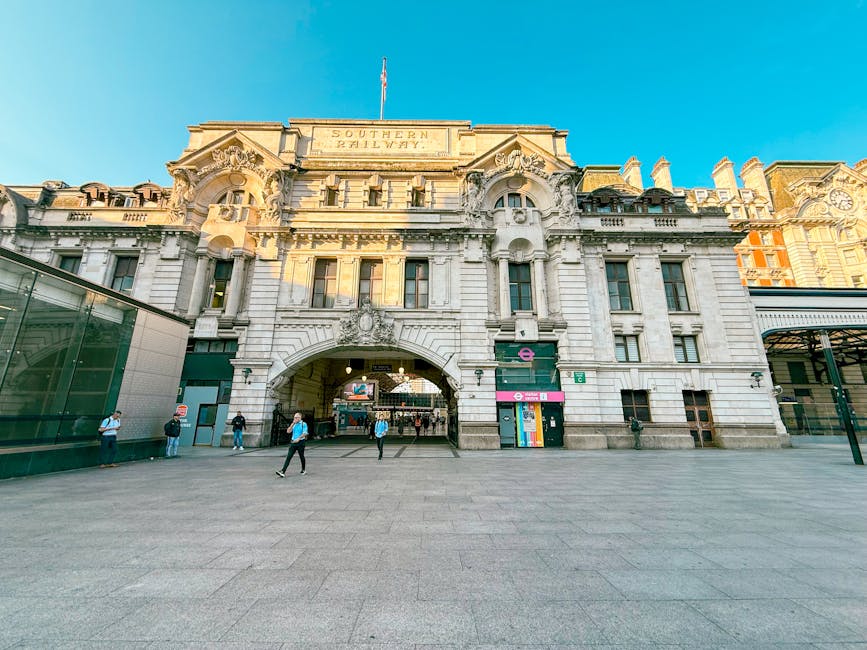
Southwark is a historic inner London district on the south bank of the River Thames, shaped by its riverside position, long settlement history and continuing role in the capital’s cultural and civic life. The area takes in a varied landscape of streets, estates, routes and public spaces, from the river corridor itself to neighbourhoods that developed through trade, industry, housing and later regeneration. Its name is closely associated with the old borough and with the broader stretch of south London that grew around bridges, markets and movement across the river. The district includes major landmarks such as Southwark Cathedral, Borough Market and Shakespeare’s Globe, each of which reflects a different layer of the area’s past and present character. The riverfront brings in prominent views and well-used walking routes, while nearby streets contain a mix of older fabric and modern development. Transport connections are strong, with stations and crossings linking Southwark to the City and beyond. The area also has a notable cultural profile, with galleries, theatres and independent venues contributing to its everyday atmosphere. Parks and open spaces offer contrast to the denser built-up sections, and the neighbourhood pattern changes noticeably from one part of the district to another. This variety makes Southwark difficult to reduce to a single image: it is at once historic and changing, urban and residential, busy and locally rooted. Its built environment ranges from surviving older streets to large-scale contemporary schemes, showing how the area has continually adapted while keeping clear traces of its earlier development.
Southwark’s identity is also tied to its architectural mix. Churches, housing estates, warehouses, offices and riverside developments sit alongside one another, creating a streetscape that records different periods of London’s growth. The district’s river access has long mattered, and today the Thames path, bridges and central location keep it closely connected to surrounding parts of the city. Local life is shaped by everyday movement as much as by visitor interest, with markets, schools, workplaces and public institutions all contributing to its function. That combination of heritage, commerce and residential use gives Southwark a distinctive presence within London.
How hedge trimming is planned around access and finish

Once the hedge type and desired finish are clear, the next part of the work is practical planning. Access points, parking considerations, nearby planting and the position of gates or hard surfaces can all shape how trimming is carried out. This is particularly relevant where a hedge runs beside a narrow path or wraps around corners, because the cutting sequence and the cleanup all need to suit the site. Planning well helps the work stay controlled from start to finish.
The finish also depends on whether the hedge is meant to look precise or natural. Some properties need a level top line and sharply defined sides; others benefit from a softer, more organic shape that still looks maintained. Trimming can also be adjusted to support seasonal growth patterns, so the hedge does not appear overworked or uneven shortly after the cut. If you are exploring related garden work alongside hedges, our landscape gardening page may be useful.
Where hedges sit close to buildings, paths or shared boundaries, the emphasis is often on clean lines and reduced overhang rather than dramatic reshaping. That keeps the hedge useful while improving its presentation. A thoughtful trim should leave the property looking more ordered without drawing attention to the fact that work has taken place. That is usually the mark of a well-finished job.
Complementary garden work around hedges
Hedge trimming often sits alongside other garden tasks, especially where boundaries, lawn edges and planted areas meet. A hedge that has been cut back may reveal the need to tidy adjoining growth, clear loose material or bring nearby spaces back into proportion. While our main service here is hedge trimming, it can sit comfortably within a broader maintenance plan when a garden needs more than one type of attention.
For gardens that need more extensive clearing before regular trimming can resume, our garden clearance page covers that larger-scale clean-up work. If the hedge is part of a wider layout change, our landscaping page sets out how outdoor spaces can be reorganised and improved. And where a hedge borders a lawn, keeping the grass cut and edges neat can help the whole area feel sharper, which is why some customers also look at lawn mowing as part of the overall plan.
These services are not interchangeable, but they do complement one another. A hedge that is trimmed properly is easier to read in context, while the surrounding garden benefits when the boundary line is clear and maintained. That makes the outdoor space feel more orderly and easier to manage through the seasons.
Service choices, finishes and further information

For customers who want a simple point of reference before getting in touch, the most important question is usually not how dramatic the work sounds, but what the hedge should look like afterwards. A good quotation begins with that outcome and then takes account of the hedge’s condition, length, height and access. When a service is explained clearly, it becomes much easier to decide whether the hedge needs a light tidy, structured shaping or a more involved reduction.
You can also read more about our approach to equipment, site care and working practices on the about us page, or review the detail in our insurance and safety information if you want to understand the practical standards behind the service. Those pages are useful when you are comparing options and want a fuller picture of what is included and how the work is handled. If you need a direct enquiry, the final step is simple: request a quotation.
Whether the hedge is a single boundary line or part of a larger garden, the aim remains to leave it neater, more balanced and appropriate to the space it serves. If you already know the hedge needs attention, now is a good time to take the next step. Send the details and ask for a quotation.