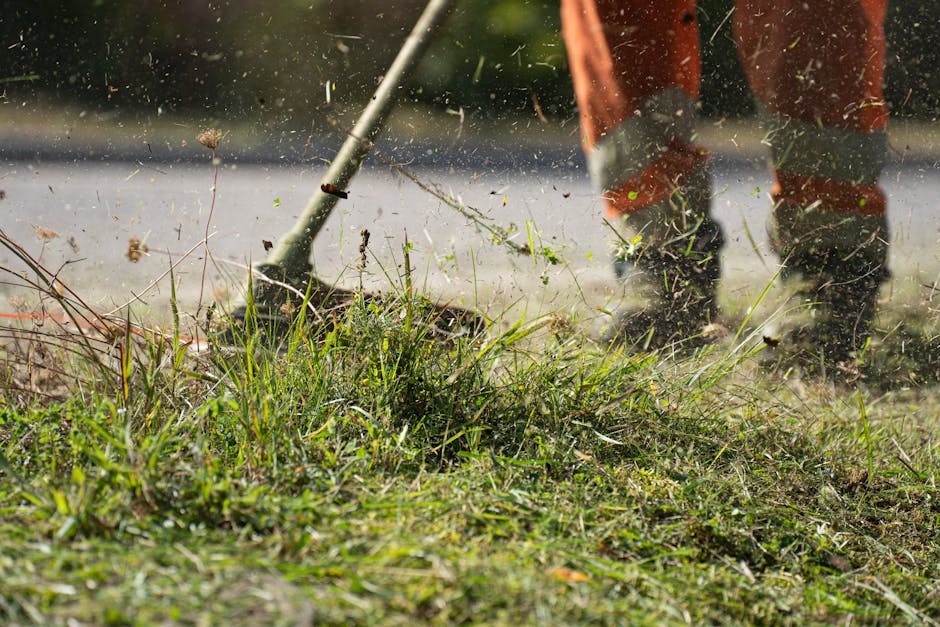
Common delays with Southwark garden maintenance explained

If your garden jobs keep slipping back a week, you are not imagining it. Delays in garden upkeep happen for very ordinary reasons: weather, access, seasonal growth, staff scheduling, material availability, or simply a site that turns out to be more involved than it looked at first glance. In Southwark, where gardens can be compact, shared, tucked behind buildings, or split across different surfaces, those delays can feel even more noticeable. This guide explains the most common delays with Southwark garden maintenance explained in clear, practical terms, so you know what is normal, what is avoidable, and what to ask before things drift.
We'll also look at how maintenance jobs are typically planned, where bottlenecks appear, and how to reduce them without rushing the work. Because let's face it, nobody wants a half-finished garden and a string of vague updates. You want a tidy outcome, on a sensible schedule, with minimal fuss.
Why delays in Southwark garden maintenance matter
Garden maintenance sounds straightforward until a job is delayed two or three times and the whole outdoor space starts to slip. In a place like Southwark, delays can matter more than people expect because many gardens are small, exposed to neighbour visibility, and used heavily in short bursts of good weather. If mowing, hedge trimming, clearance, or seasonal tidy-ups are pushed back, the space can become harder and slower to restore later.
There is a practical side too. A missed or postponed visit can lead to thicker growth, damp patches, blocked paths, or wasted labour on the next appointment. For example, a simple lawn mowing visit delayed by wet ground may turn into a more involved tidy-up once the grass has grown unevenly and edges have gone soft. A hedge that should have been kept neat may need more time, more waste removal, and a slightly different approach. Nothing dramatic. Just enough to change the schedule.
Delays also affect trust. If someone gives a date and then keeps moving it, the customer starts to wonder whether the rest of the service will be equally vague. Fair enough. Clear timing is part of the service, not a bonus.
Practical takeaway: the delay itself is not always the problem. The real issue is whether the delay was explained early, handled honestly, and absorbed into the plan before the garden fell behind.
How garden maintenance scheduling and delays work
Most garden maintenance work is planned in sequences. A visit may start with a check of access and priorities, then move into mowing, edging, hedge work, light clearance, and waste collection. If one piece of the sequence stalls, the rest may shift too. That is why delays often show up as knock-on effects rather than one single missed task.
In Southwark, scheduling can be affected by tighter access routes, parking limitations, shared entrances, or gardens that sit behind flats and terraces. A team can arrive on time but still lose half an hour finding safe access, moving equipment, or waiting for a gate code. It sounds small. It isn't always small in practice.
Some delays are predictable and some are not. Predictable ones include seasonal surges in growth, heavy rain, public holidays, and busy spring or early-summer periods. Less predictable ones include unexpected overgrowth, hidden rubbish, broken fencing, or the need for extra garden clearance before the main maintenance can begin. If a site is more cluttered than expected, what looked like an hour's work may need a full reset first.
When jobs are organised well, there is usually a buffer in the schedule. That buffer is what absorbs minor hold-ups. Without it, everything feels late even when the crew is doing the right thing.
Key benefits of handling delays properly
It may sound odd to talk about the benefits of a delay, but handling one properly can improve the whole job. A clear rebooked date, honest scope adjustment, or extra time for a more complicated garden can protect quality and keep costs from spiralling later.
- Better finish quality: crews can do the work properly instead of racing the clock.
- Less repeat labour: a properly timed visit reduces the chance of rework.
- Clearer expectations: everyone knows what will happen next and when.
- Safer working conditions: wet ground, poor light, or obstructed access can be managed sensibly.
- Reduced waste: well-planned visits make removal and recycling easier to handle.
There is also a quieter benefit: less stress. If you know why a job was delayed, you stop chasing shadows. You can decide whether to wait, rearrange, or split the work into smaller parts. For many homeowners and landlords, that clarity matters as much as the gardening itself.
Where maintenance includes more than simple tidying, for instance tree work or structural outdoor changes, planning becomes even more important. Related services such as tree lopping and removal or landscaping can add separate steps, checks, or waste handling, and those add time in a very ordinary way.
Who this is for and when it makes sense
This topic matters if you are a homeowner, landlord, tenant with garden responsibility, block manager, or someone trying to keep a property presentable without constant micromanaging. It also makes sense if you already had one or two awkward delays and want to understand whether that was a one-off or a sign of poor planning.
You will especially benefit from this if your garden has any of the following traits:
- tight side access or rear-only access
- shared entry points or neighbour-dependent access
- heavy leaf fall, fast growth, or repeated weed issues
- mixed surfaces such as lawn, paving, beds, decking, or gravel
- occasional overgrowth that needs more than a quick tidy
If your outdoor space includes decking or integrated design elements, timing can matter more than people expect. A damp surface can slow work, and a visit may need to be arranged around drying time or safer movement. That is one reason some customers look at broader services such as decking services alongside routine maintenance, especially when the garden layout is doing half the organising for them.
To be fair, if you only need a simple mow now and then, a delay may not feel urgent. But if the garden is part of a rental turnaround, sale preparation, or family routine, even a short hold-up can cause a ripple.
Step-by-step guidance to reduce delays
Here is the simplest way to keep Southwark garden maintenance moving without unnecessary stalls.
- Confirm the exact scope early. Is it mowing, hedge cutting, a tidy-up, clearing, or all of the above?
- Share access details upfront. Gate codes, side access, parking realities, and any restrictions save a lot of time.
- Flag overgrowth or debris before the visit. A quick photo can prevent wrong assumptions.
- Ask what happens in wet weather. Some tasks can still go ahead, others should wait for safer conditions.
- Split bigger jobs if needed. A heavy clearance followed by a maintenance visit is often cleaner than forcing both into one rushed slot.
- Build a small buffer into seasonal work. Spring and early summer often move quickly, and everyone seems to want the same slot at once.
- Review the outcome immediately. If anything was missed or postponed, agree the next step before the team leaves.
A tiny bit of prep goes a long way. Raking loose items, moving toys or plant pots, and unlocking access points can remove the little delays that add up over a week. It sounds obvious, but obvious things are exactly what get forgotten when life is busy.
Expert tips for better results
From a practical service-planning point of view, the best way to avoid delays is to think about the garden as a sequence of conditions, not just a list of tasks. That means asking: what has to happen before the team can start, and what could slow them down once they arrive?
Here are the habits that usually make the biggest difference:
- Use clear, simple instructions. "Front lawn and rear hedge only" is easier to act on than a long message with three different priorities and no order.
- Send photos in daylight. A picture at 8 p.m. in poor light rarely tells the full story.
- Keep recurring jobs on a rhythm. Regular maintenance is usually easier to schedule than rescue work after a long gap.
- Ask whether waste removal is included. If not, disposal can become a separate delay.
- Be honest about access issues. Nobody benefits from pretending the gate is easy when it is actually wedged, locked, or shared with three neighbours and a bin store.
Another useful habit is choosing the right service for the right problem. A garden that is simply untidy may only need garden maintenance. A garden with dense bramble, old waste, and broken edges may need clearance first, then maintenance later. Mixing them up is a classic source of delay.
And yes, sometimes the expert tip is just: don't leave it until everything looks like a minor wilderness. Charming in a novel, less charming when someone has to price it.
Common mistakes to avoid
Most frustrating delays are not caused by one huge failure. They come from small mistakes stacking up.
- Booking too late in the season: spring rushes are real, even if they do not look dramatic from the kitchen window.
- Understating the amount of work: "just a quick tidy" often hides half a day of actual labour.
- Ignoring access constraints: a narrow side passage can change equipment choice and timing.
- Assuming dry ground when it has rained recently: soft soil and slippery paving can force a safer delay.
- Not separating urgent from non-urgent tasks: if everything is labelled priority, nothing is.
- Forgetting waste and disposal time: cuttings, branches, and green waste do not vanish by magic, inconveniently.
One of the biggest mistakes is trying to solve schedule pressure by asking for more work than can sensibly fit into a single slot. That's how you end up with a half-finished edge, a rushed waste load, and another visit booked anyway. Not ideal.
Tools, resources and recommendations
You do not need a huge kit to reduce delays. In most cases, the useful "tools" are organisational rather than technical.
| Tool or resource | What it helps with | Why it reduces delays |
|---|---|---|
| Clear job notes | Scope and priorities | Prevents misunderstandings before the visit |
| Site photos | Overgrowth and access | Helps estimate time and equipment needs |
| Seasonal calendar | Recurrence | Keeps regular maintenance from drifting |
| Access checklist | Gate codes, parking, entry points | Removes avoidable arrival delays |
| Waste plan | Cuttings and green waste | Avoids end-of-job bottlenecks |
If you are arranging several outdoor improvements at once, it can help to map the order carefully. For example, clearance may need to happen before hedge work, and hedge work before a more polished design refresh. In that wider context, services overview pages are often useful because they help you see what belongs together and what should be split into separate visits.
For properties where maintenance sits alongside longer-term improvements, a more considered plan can include landscape gardening, ongoing tidy work, and occasional specialist tasks. The aim is not to do everything at once. The aim is to do each stage in the right order. Simple, really. Harder to execute than people think.
Law, compliance, standards and best practice
When maintenance delays involve safety, access, or disposal, a cautious approach is sensible. Garden work in the UK often touches on basic duty-of-care concerns, especially where tools, ladders, heavy lifting, slippery surfaces, or tree work are involved. Exact obligations depend on the site and the task, so it is best not to assume one rule fits every job.
For most customers, the most useful best-practice checks are straightforward:
- work is carried out safely and sensibly in the conditions available
- the provider explains delays rather than hiding them
- insurance and safety arrangements are in place where relevant
- access arrangements do not put people, property, or contractors at unnecessary risk
- waste is handled responsibly and in line with the agreed service
If you want to understand how a provider approaches these topics, it can be worth reviewing pages such as health and safety policy, insurance and safety, and recycling and sustainability. That does not solve a delay on its own, of course, but it does tell you whether the service thinks beyond the immediate visit.
Best practice is also about communication. If weather or access forces a change, the right move is early notice, not a last-minute shrug. Most people can live with a delay. They just don't like being left guessing.
Options, methods and comparison table
Some delays are easier to manage if you choose the right maintenance method from the outset. A quick comparison helps.
| Approach | Best for | Typical delay risk | Overall note |
|---|---|---|---|
| Single-off tidy-up | Lightly neglected gardens | Low to moderate | Fast to book, but easy to underestimate if the garden is more overgrown than it looks |
| Recurring maintenance | Homes, rentals, communal spaces | Lower | Usually the easiest to keep on time because the work stays manageable |
| Clearance then maintenance | Heavy growth or cluttered plots | Moderate | More realistic when the site needs a reset before routine care can begin |
| Combined landscaping and upkeep | Longer-term improvements | Moderate to higher | Useful, but sequencing matters a lot and delays can spread if the plan is vague |
In many real-life cases, a staged approach works best. First get the area usable, then maintain it. Trying to leap straight to perfection is where schedules go sideways. A garden with a lot of debris or old growth may need garden clearance before the recurring work can even begin.
Case study or real-world example
Here is a realistic example from the kind of job that causes schedule headaches.
A small rear garden in Southwark had been left untouched for several months. The customer booked what they thought was a routine tidy: mow the lawn, trim the hedge, and remove a few bags of debris. On arrival, the access path was narrower than expected, the hedge had grown denser than the photos suggested, and the lawn was patchy because the ground had stayed damp after recent rain. The job was still doable, but not in the original time slot.
The sensible move was to split the work. First, remove loose waste and cut back the most urgent growth. Then schedule the rest once the ground dried and the access route was cleared properly. The customer was a little annoyed at the change, naturally, but the outcome was better than forcing the whole job into a rushed visit.
That's the pattern, really. Delays are often a sign that the scope was larger than the initial booking allowed for. Once the job is broken into stages, the whole thing becomes much less stressful.
Practical checklist
Use this before your next garden maintenance visit.
- Have I described the job clearly and in the right order?
- Have I shared photos of the actual garden, not just the neatest corner?
- Is access easy, or do I need to provide codes, keys, or parking notes?
- Have I checked whether recent rain could affect the ground or paving?
- Do I know whether waste removal is included?
- Is there any heavy overgrowth that may need clearance first?
- Have I left the area free of toys, tools, pots, or loose items?
- Is this a one-off tidy or a recurring maintenance job?
- Have I allowed enough time for a proper finish?
- Do I know who to contact if the schedule changes?
If you can answer most of those with confidence, you are already ahead of the game.
Conclusion
The common delays with Southwark garden maintenance explained in this article all come back to one idea: gardens are rarely as simple as they look in a quote, and timing is shaped by weather, access, scope, and planning. None of that is unusual. What matters is whether the delay is handled clearly and whether the next step is practical.
A well-managed delay does not have to spoil the job. In fact, it often leads to a better outcome because the work is broken into sensible stages, safer conditions, and a cleaner finish. That is especially true in Southwark, where outdoor spaces can be compact, shared, or a little awkward to access. A bit of realism goes a long way.
If you want fewer hold-ups, the answer is not to rush. It is to prepare, communicate, and keep the work properly sequenced. Small things, but they add up. And when the garden finally looks right, the wait tends to feel worth it.
Get a free quote today and see how much you can save.
Frequently Asked Questions
Why do Southwark garden maintenance jobs get delayed so often?
Usually because of weather, access issues, seasonal demand, or a bigger-than-expected scope of work. Southwark gardens are often compact or awkward to reach, which can slow things down even when the task itself is straightforward.
Is wet weather the main reason for delays?
It is one of the biggest reasons, yes. Wet lawns, slippery paving, and soft soil can make some tasks unsafe or produce a poor finish. In those cases, a short delay is often the sensible choice rather than forcing the job.
How can I tell if my job needs garden clearance before maintenance?
If there is a lot of loose waste, dense growth, hidden debris, or areas that can't be reached properly, clearance may come first. A maintenance visit works best when the area is already accessible and the basic mess has been removed.
Will regular maintenance reduce delays?
Yes, usually. Recurring visits are easier to fit into a schedule because the garden stays manageable. Once a space is left too long, work becomes more unpredictable and delays become more likely.
What should I do if my appointment is rescheduled twice?
Ask for a clear reason, an updated timeframe, and confirmation of what will happen on the next visit. If the scope has changed, it may be better to split the job into stages rather than keep trying to force one appointment.
Do delays usually mean the service is unreliable?
Not always. A delay can happen for ordinary reasons, especially with weather or access. The key difference is whether the provider communicates clearly and adjusts the plan sensibly.
Can hedge trimming cause scheduling delays?
Yes, especially if the hedge is heavily overgrown or access is awkward. A task that looked like a quick trim can become more involved once the full height, width, and waste volume are seen properly.
Are delays more common in spring and early summer?
They often are, because growth is faster and more people want the same slots. Busy seasonal demand can create a backlog, so booking earlier tends to help.
What information helps avoid delays before the visit?
Photos, access details, clear task priorities, and a note about recent weather or problem areas. The more accurate the information, the easier it is to schedule the right amount of time.
Should waste removal be planned separately?
If the garden will produce a lot of clippings, branches, or debris, yes, it may need to be planned carefully. Waste handling is one of those small things that can slow a job right down if nobody has accounted for it.
What if I need both landscaping and ongoing maintenance?
Then think in stages. Start with the structural or design work, then move into maintenance once the layout is settled. That usually avoids confusion and keeps the schedule more predictable.
How do I know if a delay is reasonable?
Ask whether it is caused by conditions, scope, access, or safety. If the explanation is specific and the next step makes sense, the delay is probably reasonable. If the reason stays vague, that is when you should push for clarity.
Can I reduce delays by preparing the garden myself?
Yes. Moving obstacles, unlocking access points, and sharing accurate photos can save a surprising amount of time. It is not about doing the professional's job for them. It is about removing the easy blockers.
Where can I learn more about service expectations and standards?
Useful places to start are the site's about us, pricing and quotes, and policy pages such as terms and conditions. They help set expectations before the work begins.