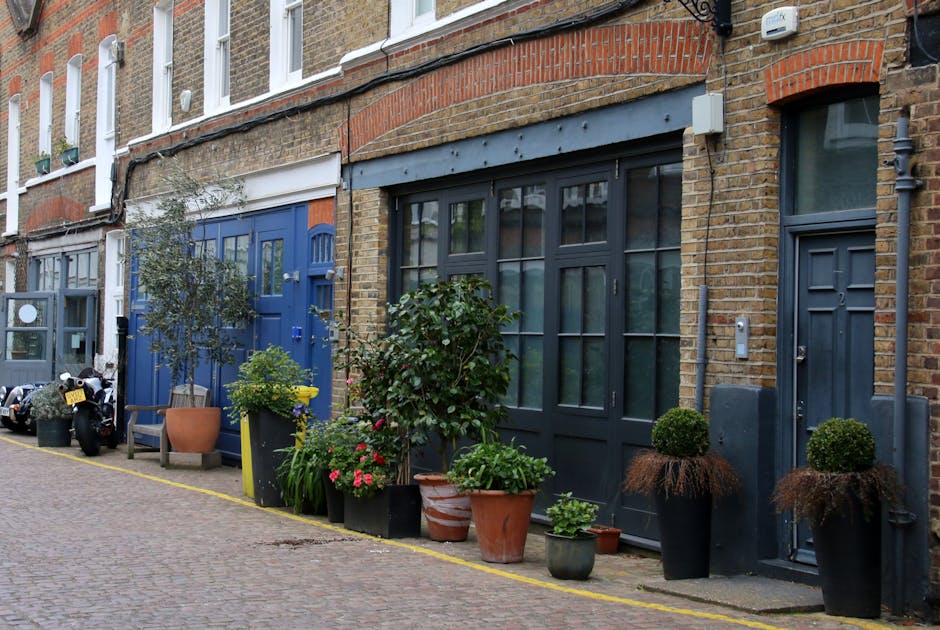
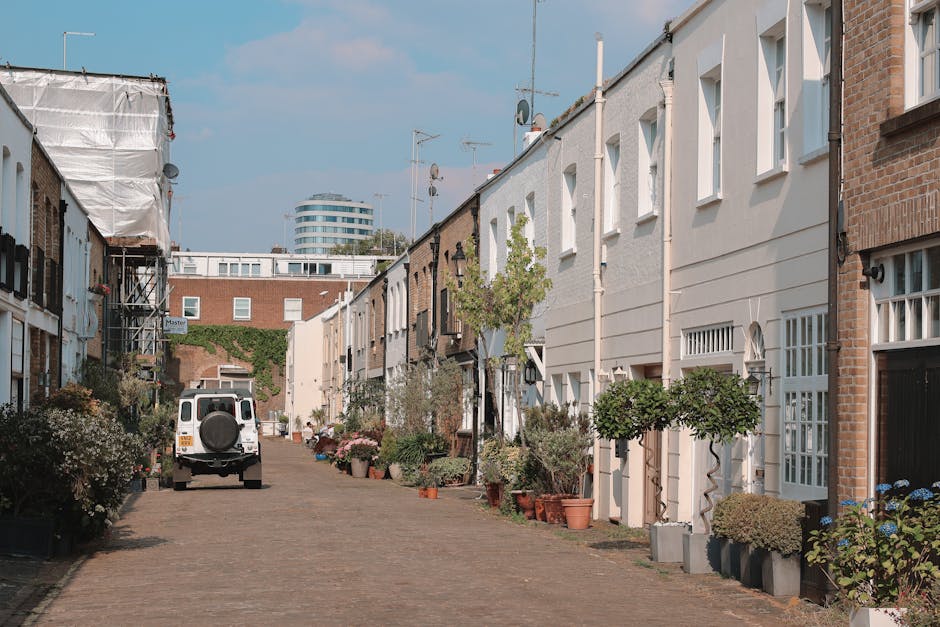
Bermondsey Street garden maintenance guide for terraces
Terrace gardens on Bermondsey Street have a particular charm. They are often compact, a little exposed, and squeezed into busy London life, which means they need smarter care than a bigger suburban plot. This Bermondsey Street garden maintenance guide for terraces is designed for exactly that reality: small outdoor spaces that must look good, stay healthy, and work hard all year round.
If your terrace gets shade from neighbouring buildings, bakes in afternoon sun, collects wind-blown dust, or simply never seems to have enough space, you are not alone. The good news is that a terrace can be easier to maintain once you understand its rhythms. In this guide, we will walk through what matters, what to do, and what to avoid so your outdoor space feels tidy, alive, and genuinely usable.
Along the way, you will also see how a few connected services can help keep everything under control, from regular garden maintenance to more specific support like landscaping and tree surgery where larger plants or overhanging growth become part of the picture. Not every terrace needs all of that, of course. But it helps to know what sits around the problem.
Table of Contents
- Why Bermondsey Street garden maintenance guide for terraces Matters
- How Bermondsey Street garden maintenance guide for terraces Works
- Key Benefits and Practical Advantages
- Who This Is For and When It Makes Sense
- Step-by-Step Guidance
- Expert Tips for Better Results
- Common Mistakes to Avoid
- Tools, Resources and Recommendations
- Law, Compliance, Standards, or Best Practice
- Options, Methods, or Comparison Table
- Case Study or Real-World Example
- Practical Checklist
- Conclusion
- Frequently Asked Questions
Why Bermondsey Street garden maintenance guide for terraces Matters
Terrace gardens in Bermondsey Street are rarely blank canvases. They tend to be narrow, framed by walls or railings, and exposed to urban conditions that change quickly. A sunny corner can dry out in a day. A shaded spot can stay damp for weeks. Pots get crowded, soil loses structure, and once the weeds get a foothold, they move in fast. No drama, just life in a city terrace.
That is why a maintenance plan matters. Without one, the garden becomes reactive: you notice problems only when they are already obvious. With a plan, you stay ahead of the mess and keep the space calm, attractive, and usable for everyday life. Truth be told, that is often the difference between a terrace you enjoy and one you avoid.
There is also a practical side. Small gardens need proportion. A slightly overgrown shrub can feel massive on a terrace. A cracked pot or slimy paving joint becomes immediately visible. Good maintenance protects the layout, reduces plant stress, and helps the whole space look intentional rather than patched together. If you are also managing other outdoor spaces nearby, it can be useful to think of the terrace as part of a wider routine, alongside garden clearance work or more detailed hedge trimming where boundaries need tidying up.
Expert takeaway: On a terrace, maintenance is less about big seasonal overhauls and more about frequent, small, timely actions. That is what keeps the space looking sharp without becoming a weekend burden.
How Bermondsey Street garden maintenance guide for terraces Works
Good terrace maintenance follows a simple pattern: observe, adjust, tidy, and protect. The exact tasks change with the season, but the logic stays the same. You start by understanding how your space behaves, then make small corrections before issues build up.
For Bermondsey Street terraces, the main variables are usually sunlight, shade, wind, drainage, and access. A north-facing terrace may need more shade-tolerant planting and less watering. A south-facing terrace may need moisture-retentive compost, frequent checks, and careful pot placement so delicate plants are not scorched by reflected heat from walls or paving. That reflected heat can be sneaky, by the way.
The maintenance cycle usually looks something like this:
- Inspect the terrace for weeds, pests, dry plants, blocked drainage, and damaged containers.
- Prioritise the most visible and most damaging issues first.
- Prune, deadhead, and tidy to improve airflow and keep plants productive.
- Refresh growing media in pots, planters, and raised beds when needed.
- Clean surfaces to reduce moss, algae, and slipping risk.
- Reset planting for the next season so the space keeps working well.
That sounds simple, and it is. But the real skill is timing. On a terrace, small delays become visible quickly. Miss watering for a spell in warm weather and the whole display can collapse. Leave dead stems too long and the space starts to feel neglected. A steady routine makes all the difference.
Key Benefits and Practical Advantages
A well-maintained terrace garden does more than look neat. It performs better, lasts longer, and is far easier to enjoy. That matters in a place like Bermondsey Street, where outdoor space often has to earn its keep.
Here are the biggest benefits:
- Better plant health: Regular maintenance reduces stress, disease spread, and nutrient depletion.
- Cleaner, safer surfaces: Moss, algae, and fallen leaves can make paths and decking slippery.
- More usable space: A tidy terrace feels larger and more flexible for sitting, dining, or relaxing.
- Lower long-term effort: Small, regular tasks are usually easier than emergency catch-up jobs.
- Improved appearance: Even simple planting looks more polished when it is pruned, watered, and arranged properly.
- More predictable costs: Preventive maintenance often avoids expensive replacement of plants, pots, or damaged hard landscaping.
There is also the less obvious benefit of confidence. When you know the garden is under control, you use it more. A terrace that feels slightly chaotic tends to get ignored. One that is tidy and healthy becomes part of daily life. Morning coffee outside. A bit of evening air. A quick look at the herbs before dinner. Lovely, really.
Who This Is For and When It Makes Sense
This guide is for anyone responsible for a terrace garden on or around Bermondsey Street, whether it is a private home, a rented flat, a rooftop terrace, or a small courtyard-style outdoor area. It also suits landlords, property managers, and busy homeowners who want a dependable routine rather than a constant scramble.
It makes particular sense if your terrace has any of the following:
- containers or raised planters that dry out quickly
- limited space, meaning every plant choice matters
- shade from surrounding buildings
- wind exposure from higher floors or open corners
- decking, paving, gravel, or other surfaces that need regular cleaning
- climbers, small trees, or larger shrubs that need trimming
If you are unsure whether your outdoor space needs light-touch care or a more structured approach, a good rule is this: if you are doing something every week just to stop things going downhill, you probably need a proper maintenance rhythm. Not necessarily more work. Just better work.
For bigger jobs or neglected terraces, it can help to combine maintenance with garden clearance before putting in a cleaner, simpler routine. And if the terrace is part of a larger property with overgrown edges or awkward boundaries, a broader service such as landscaping can help reset the space properly.
Step-by-Step Guidance
A terrace maintenance plan works best when it is structured but not rigid. You do not need to turn gardening into a second job. You just need a system that fits the space.
1. Start with a full visual check
Walk the terrace slowly and look at it from the doorway, the seating area, and the far end. Notice what stands out first. Are the plants healthy or drooping? Is one container dominating the space? Are leaves collecting in corners? The first look tells you where the attention should go.
2. Clear the obvious debris
Remove dead leaves, broken twigs, empty pots, and old plant labels. This sounds basic, but clutter changes how a terrace feels. A clean surface makes the whole area easier to assess. You can see drainage issues, check pot stability, and spot pests sooner.
3. Check watering needs properly
Terrace gardens rarely have the same moisture level throughout. Some pots may be bone dry while others are still damp below the surface. Stick a finger into the compost an inch or two down. If it feels dry, water thoroughly. If it is still moist, wait. Overwatering in containers is one of the most common mistakes, especially in shaded corners where evaporation is slower.
4. Prune and deadhead with purpose
Cut back dead or damaged growth, remove spent flowers, and tidy any straggly stems. On a terrace, pruning is as much about shape as health. You want plants that suit the space rather than fighting it. If a shrub or climber has become too big for the area, it may need more decisive cutting back. That is where professional hedge trimming or tree care can become useful, especially if there is a larger structure nearby.
5. Feed and refresh the soil
Container plants depend on you for nutrients. Compost breaks down, roots fill the pot, and feeding becomes more important over time. Use the right feed for the plant type and refresh the top layer of compost when needed. In busy urban gardens, this small step can transform performance, especially in herbs, bedding plants, and compact shrubs.
6. Clean the hard surfaces
Decking, paving, and balcony tiles need routine cleaning, not just for appearance but for safety too. Sweep regularly, remove algae as it appears, and clear leaves before they become slippery. Be gentle with pressure washing on older materials. Too much force can damage joints or surface finishes.
7. Reassess the planting layout
Sometimes the best maintenance decision is moving a plant. A container that gets too much sun in July might work better against a wall. A tall pot can create privacy in one corner and block light in another. Small adjustments often improve the whole terrace more than adding extra plants ever will.
Expert Tips for Better Results
Once the basics are in place, the little details start to matter. That is usually where terrace gardens either look good on paper or genuinely feel good to use.
- Group pots by water need: Keep thirsty plants together so you can water efficiently without missing the dry ones.
- Use containers with proper drainage: Decorative pots are lovely, but if water cannot escape, roots suffer.
- Choose lightweight, durable materials where space is tight: Heavy pots can be awkward to move and may not suit rooftops or upper terraces.
- Rotate containers occasionally: This helps keep growth even, especially in one-sided light.
- Mulch the surface of pots: A thin layer of bark, grit, or compost top-up can reduce evaporation.
- Keep a "small jobs" kit close to the terrace: If tools are easy to reach, you are more likely to do quick maintenance. Simple, but true.
One useful habit is to treat the terrace like a room rather than a border. You would not leave a sitting room half-finished for months and expect it to feel relaxing. Same idea here. Furniture, planters, lighting, and plants all need to work together. That is where other garden services can sometimes help fill in the gaps, especially if you are improving the space in phases.
Also, do not underestimate the value of slower observation. A plant that looks fine from a distance may be struggling at the roots. A terrace that looks tidy may have blocked drainage behind a planter. A short, careful inspection once a week catches the little things before they become awkward. We have seen that save people a lot of hassle, honestly.
Common Mistakes to Avoid
Most terrace problems are not dramatic. They build gradually. That means the mistakes are usually small too, which is exactly why they are so easy to repeat.
- Overplanting the space: Too many plants can make maintenance harder and create a cramped look.
- Ignoring drainage: Standing water in pots or on surfaces damages plants and can create smell or staining.
- Watering on a fixed schedule without checking first: Weather, shade, and container size all change the need.
- Letting climbing plants run unchecked: Fast growth can quickly overwhelm a small terrace.
- Using the wrong compost or feed: Not all plants need the same conditions, and terrace containers show mistakes quickly.
- Cleaning surfaces too aggressively: This can damage finishes and weaken joints over time.
- Forgetting seasonal reset tasks: If summer planting stays in place too long, the whole area can look tired by autumn.
The most expensive mistake is usually neglect. Not immediately, of course. But a terrace left unmanaged for months often needs replacement rather than maintenance. And replacement is rarely the cheap, cheerful option people hope for.
Tools, Resources and Recommendations
You do not need a shed full of specialist equipment to maintain a terrace well. In fact, compact spaces work best with a small, efficient toolkit.
| Tool or resource | What it helps with | Why it is useful on terraces |
|---|---|---|
| Hand trowel and hand fork | Planting, repotting, top-dressing | Small containers need precise work, not oversized tools |
| Secateurs | Deadheading and pruning | Clean cuts help keep plants healthy and tidy |
| Watering can or hose with control attachment | Targeted watering | Prevents overwatering and waste |
| Broom and soft brush | Removing debris from paving or decking | Fast daily clean-up keeps the terrace presentable |
| Compaction-friendly compost | Container planting support | Refreshes pots and improves plant performance |
| Planter risers or feet | Drainage and airflow beneath pots | Helps protect surfaces and reduce waterlogging |
For more involved work, a regular service model can be far more practical than trying to buy every tool and handle every issue yourself. If your terrace includes larger shrubs, overgrown boundaries, or awkward vertical planting, services like hedge trimming and tree surgery may be relevant. It depends on the site, and to be fair, a lot depends on what is hiding behind that first layer of planting.
Law, Compliance, Standards, or Best Practice
For most terrace gardens, day-to-day maintenance is about sensible best practice rather than heavy regulation. Still, there are a few things worth keeping in mind in London.
First, if your terrace is part of a flat, managed block, or shared development, check lease and building rules before carrying out work that affects common areas, railings, drainage points, or fire escape routes. That is especially relevant for roof terraces and balconies. You may also need permission for structural changes, large planters, or anything that adds significant weight.
Second, be careful with waste handling. Green waste, soil, and old planters should be removed responsibly, and you should avoid blocking shared bins, access routes, or communal spaces. Simple enough, but it matters.
Third, if maintenance involves ladders, high-level pruning, or working near fragile edges, use proper safety judgement. A small terrace can still involve real risk if access is awkward or surfaces are slippery. If a task feels borderline, it is perfectly sensible to bring in professional help rather than improvising.
Finally, best practice means choosing work that suits the site. That includes using appropriate planting, controlling runoff, keeping surfaces safe, and avoiding damage to neighbours or the building fabric. In a dense street environment, being tidy is not just nice. It is considerate.
Options, Methods, or Comparison Table
There is more than one way to maintain a terrace. The right approach depends on how much time you have, how complex the planting is, and whether the space is purely decorative or used every day.
| Method | Best for | Pros | Trade-offs |
|---|---|---|---|
| DIY weekly care | Small, simple terraces | Low cost, flexible, good for hands-on owners | Easy to miss seasonal tasks or larger issues |
| Scheduled professional maintenance | Busy households and more planted terraces | Consistent results, less stress, better long-term control | Ongoing service cost |
| One-off tidy-up and reset | Neglected or newly acquired terraces | Quick transformation, good starting point | Needs follow-up to stay effective |
| Combined maintenance and landscaping | Terraces needing layout improvements | Can solve design and upkeep issues together | May involve more planning upfront |
If you are deciding between a tidy-up and a full refresh, ask yourself one thing: is the main problem maintenance, or design? If the planting is fine but messy, maintenance may be enough. If the layout always feels awkward, landscaping could be the smarter route. That distinction saves people a lot of wasted effort.
Case Study or Real-World Example
A typical Bermondsey Street terrace we might imagine is a narrow space with a few container shrubs, herbs near the door, and a small seating area tucked against one wall. The owners enjoy it in spring, then by midsummer the basil is leggy, the lavender has gone woody, and a couple of pots have dried out so fast they have turned pale and dusty. The paving has also picked up a thin film of algae near the shaded end.
The fix is not dramatic. First, the terrace is cleared of dead leaves, old stems, and any broken pots. Then the planting is grouped by need, with the thirstier pots moved together and the sun-lovers given the brightest position. The herbs are pruned back and replaced with fresher, smaller plants where needed. Compost is topped up, surfaces are cleaned carefully, and one larger shrub is cut back to stop it crowding the seating area.
What changes most is not just the appearance but the feel of the space. It becomes easier to water, easier to walk through, and easier to enjoy. You do not need a huge garden to get that effect. You just need a sensible rhythm and a bit of follow-through. Sometimes that is all a terrace is waiting for.
Practical Checklist
Use this checklist as a quick monthly or seasonal prompt. It is simple, but it catches the stuff people often forget.
- Check all pots and planters for dryness or waterlogging
- Remove dead leaves, faded flowers, and broken stems
- Inspect surfaces for moss, algae, or debris
- Make sure drainage holes are clear
- Trim plants that are outgrowing their space
- Top up compost where it has sunk or compacted
- Feed plants according to season and plant type
- Rotate containers if one side is leaning or reaching for light
- Check ties, supports, and stakes on taller plants
- Look for pests or disease on leaves and stems
- Review whether any plants need moving, dividing, or replacing
- Keep tools clean and close by so small jobs stay small
If you tick off even half of that regularly, your terrace will usually stay in good shape. Not perfect, maybe, but very workable. And honestly, workable is often the real win.
Get a free quote today and see how much you can save.
Conclusion
A terrace on Bermondsey Street can be a genuinely rewarding outdoor space, but it needs maintenance that matches its scale and setting. The most effective approach is usually not complicated. It is steady, careful, and responsive to the way small London gardens actually behave.
Whether you are managing a compact courtyard, a rooftop terrace, or a planted balcony-style space, the basics remain the same: keep it clean, water with judgement, prune before things get untidy, and make sure the layout still suits how you live. If the space is struggling, start with a reset, then build a routine you can keep. That is the part that really matters.
And if you ever stand at the door wondering where to begin, start with the first visible problem. Then the next one. The whole thing gets easier once you begin, and the terrace usually tells you what it needs. Quietly, but clearly.
Frequently Asked Questions
How often should a Bermondsey Street terrace garden be maintained?
Most terrace gardens benefit from light weekly attention and a deeper monthly tidy-up. In hot weather or during peak growth, you may need to check watering and deadheading more often. Small spaces show neglect quickly, so shorter, regular visits usually work best.
What is the most important task in terrace garden maintenance?
Watering correctly is often the most important task because containers dry out faster than ground planting. After that, pruning, debris removal, and surface cleaning matter a lot. The right order depends on the season, but water and tidiness are usually the backbone.
Can I maintain a terrace garden myself, or do I need a professional service?
If your terrace is small and simple, you can often manage it yourself with a basic routine. If the planting is dense, access is awkward, or you have overgrown shrubs and larger features, professional help can save time and prevent damage. It depends on the space, really.
What plants work best for terrace gardens in Bermondsey Street?
Plants that cope well with containers, wind, shade, or strong sun tend to perform best. Herbs, compact shrubs, ornamental grasses, climbers, and carefully chosen perennials are common choices. The best option depends on the direction, light levels, and how much attention you want to give them.
How do I stop a terrace from looking messy so quickly?
Use fewer, better-chosen plants, keep containers grouped sensibly, and remove dead growth before it builds up. Regular sweeping also helps a lot. A terrace usually looks messy because of accumulation, not because of one big problem.
What should I do if plants keep dying in my terrace garden?
Check sunlight, watering, drainage, and container size first. Many terrace plant problems come from too little or too much water, poor compost, or plants being placed in the wrong conditions. If several plants fail in the same spot, the site conditions are probably the real issue.
Is pressure washing safe for terrace paving or decking?
Sometimes, but not always. Older paving, soft stone, joints, or timber decking can be damaged by overly aggressive pressure washing. A gentler clean is often safer. If you are unsure, test carefully or use a lower-impact method first.
When is the best time to refresh terrace planters?
Spring is usually the most practical time for a full refresh, because plants are waking up and the growing season is starting. That said, autumn is also useful for clearing out tired summer planting and setting up for colder months. The right timing depends on your planting scheme.
Do terrace gardens need different maintenance from regular gardens?
Yes. Terrace gardens rely more on containers, drainage management, and frequent watering checks. They also have less room for error. In a ground-level garden, soil buffers problems more effectively. On a terrace, the margin is smaller, so maintenance needs to be a bit sharper.
How can I make terrace maintenance easier all year round?
Choose hardy plants, keep the layout simple, use good-quality pots with drainage, and group plants by need. Build a small routine you can repeat without thinking too hard. The easier the system, the more likely it is to stick.
What if my terrace has overgrown shrubs or trees nearby?
If larger plants are overshadowing the terrace or dropping too much debris, they may need specialist attention. Services like hedge trimming or tree surgery can help reduce shading, improve airflow, and make the terrace more manageable. That sort of problem can snowball if left too long.
How do I know if my terrace needs a full clearance rather than routine maintenance?
If the space is cluttered, blocked, full of dead material, or hard to access properly, a clearance is often the better starting point. Routine maintenance works best once the terrace is already under control. If not, clear it first, then maintain it.